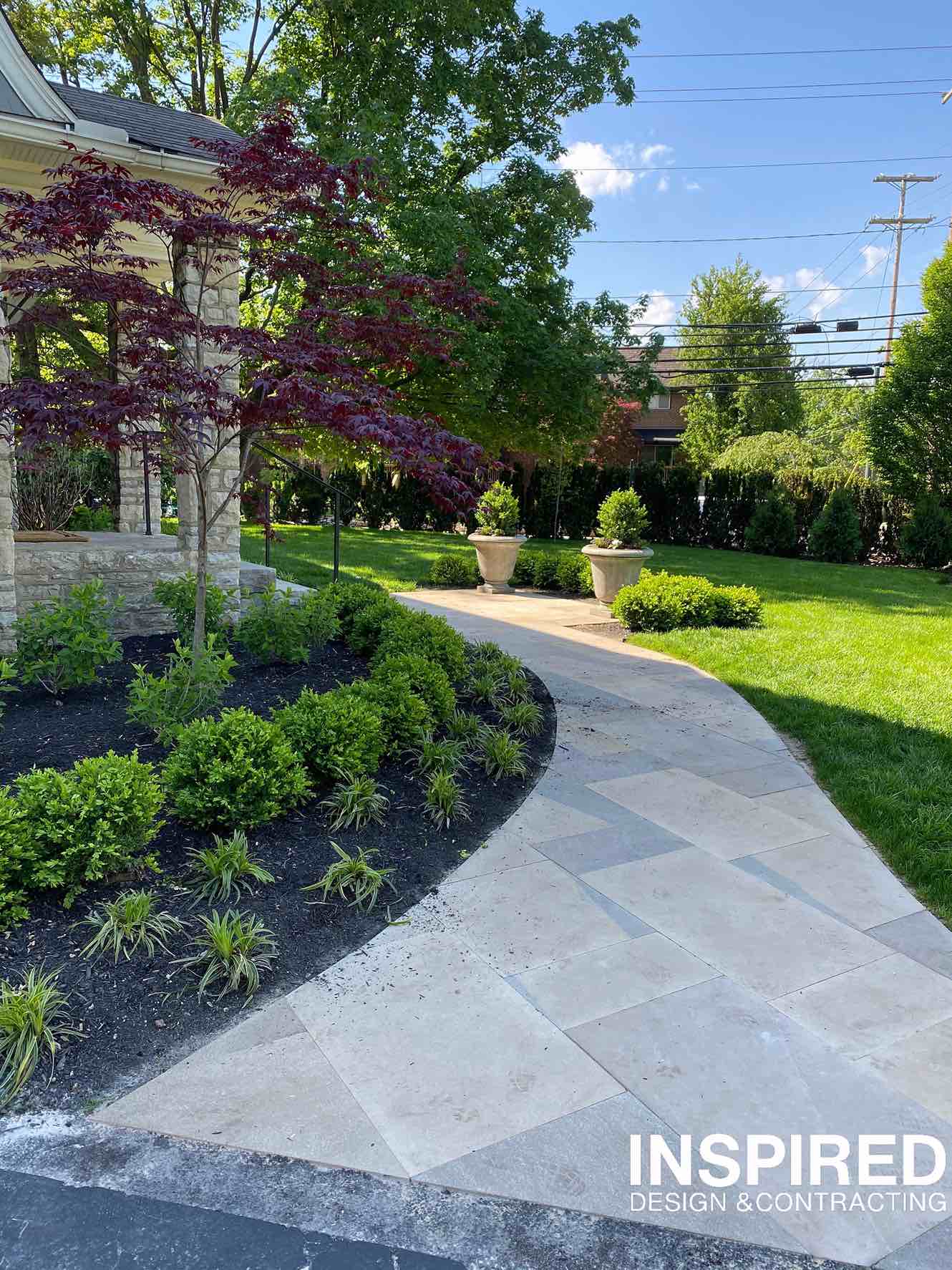
The best backyard upgrades do more than make a property look better.
They solve a real problem.
A patio creates a reliable place to gather. A pavilion makes the yard usable when the sun is strong or the weather turns. Landscape lighting helps people move safely after dark. Thoughtful planting can soften hard surfaces and make the entire property feel finished.
These improvements may also make a home more attractive to future buyers. Patio space, exterior lighting, porches, decks, and landscaping consistently appear among features buyers want. Outdoor remodeling can also improve how homeowners feel about and use their properties, even when an upgrade does not return every dollar spent at resale.
That distinction matters.
A useful outdoor project should support the way you live now. Any future resale benefit is a welcome advantage—not the only reason to build it.
Below are seven backyard upgrades worth considering for a Columbus-area home.
1. Build a Patio That Fits How You Use the Yard
A patio is often the foundation of a successful backyard.
It gives furniture a stable surface, creates room for dining or conversation, and connects the home to the surrounding landscape. It can also provide the base for future additions such as a fire pit, outdoor kitchen, seating wall, or pavilion.
The key is choosing the right size.
A patio that looks large on a drawing can feel crowded once you add a dining table, grill, chairs, and walking paths. A patio that is too small may work for one purpose but become difficult to expand later.
Before settling on dimensions, think about what will actually happen there:
- How many people do you regularly host?
- Will the space be used for dining, lounging, or both?
- Where will people walk between the house, yard, and other features?
- Could you add a fire feature or kitchen later?
- Do you need room for children, pets, or accessible movement?
Material choice matters too.
Stamped concrete can create a continuous surface with a wide range of textures and colors. Pavers offer modular patterns and allow individual units to be reset or replaced when necessary.
Neither material is automatically right for every home. The better choice depends on the property, budget, maintenance expectations, and desired appearance.
Homeowners still comparing the two can review our guide to stamped concrete versus pavers.
For installation options, explore our custom paver patios and hardscape services or stamped concrete patio services.
A patio adds the most value when it is designed as part of the whole backyard—not as an isolated rectangle behind the house.
2. Add an Outdoor Kitchen That Makes Entertaining Easier
An outdoor kitchen can reduce the constant movement between the house and backyard.
Instead of carrying food, drinks, plates, and tools through the back door, homeowners can keep the essentials near the gathering area. Even a focused grill station with counter space and storage can make outdoor cooking more practical.
A more complete kitchen may include:
- A built-in grill
- Preparation counters
- Weather-resistant storage
- Refrigeration
- Bar seating
- Lighting and electrical outlets
- A smoker, side burner, or pizza oven
The best layout is not necessarily the one with the most appliances.
It is the one that supports how the homeowner cooks.
Someone who mainly grills for family dinners may need a compact work area with dependable counter space. A homeowner who regularly hosts larger gatherings may benefit from refrigeration, serving space, storage, and seating that keeps guests away from the active cooking zone.
Cost can rise quickly because a custom outdoor kitchen may require far more than appliances. The final investment can include foundations, masonry, countertops, gas service, electrical work, drainage, lighting, and integration with the existing patio.
That is why planning the kitchen and patio together usually produces a better result than treating the kitchen as a separate object added later.
Learn more about available features, investment ranges, and design considerations on our custom outdoor kitchen page.
3. Create a Fire Feature People Will Actually Use
A fire feature can extend the purpose of a patio beyond warm summer afternoons.
It gives people a natural place to gather during cooler evenings and can help define a seating zone within a larger backyard. The most important decision is not simply how the fire pit looks. It is how often the homeowner wants to use it.
Natural gas fire pits are convenient.
They can be started and turned off quickly, produce no wood smoke, and work well near everyday lounge furniture. Because they require little preparation, homeowners may use them for shorter, more frequent evenings outside.
Wood-burning fire pits create a different experience.
They offer the smell, sound, and atmosphere of a traditional fire. They also require dry firewood, more time to start, and careful extinguishing when the evening ends.
Some properties can support both: a gas fire pit near the primary seating area and a more rustic wood-burning space farther into the yard.
Style options may include:
- Natural stone
- Segmental wall block
- Paver-integrated designs
- Modern metal fire tables
- Built-in fireplaces
Placement should account for seating, circulation, surrounding materials, utilities, and safe clearance. Those practical choices should be resolved before choosing the final finish.
See examples of custom gas and wood-burning fire pits.
4. Add a Pavilion or Shade Structure
A covered structure can turn a patio into a true outdoor room.
It provides relief from direct sun, creates a sense of enclosure, and makes furniture and entertainment features feel more intentional. Depending on its design, it may also help homeowners use the yard during light rain or cooler parts of the year.
A pavilion can begin as a straightforward roofed structure and grow into a highly customized living area with:
- Comfortable lounge furniture
- Ceiling fans
- Lighting and outlets
- Televisions
- Privacy walls or screens
- Curtains
- Electric heaters
- Fireplaces
- Bars or outdoor kitchens
Pergolas and gazebos can serve related purposes, but they create different levels of coverage and enclosure. A pergola usually provides filtered shade and a lighter visual presence. A pavilion generally offers a complete roof and more protection from the weather.
The right structure should relate to the home.
Roof pitch, shingles or metal roofing, post proportions, stain or paint colors, and the placement of walls all affect whether the addition feels integrated or dropped into the yard.
Size also matters.
A structure must be large enough for furniture and circulation without overwhelming the patio or blocking important views from the house.
Explore our custom pavilions, pergolas, gazebos, and shade structures.
A pavilion is most successful when it feels like an outdoor family room, not simply a roof over a patio.
5. Use Landscape Lighting to Improve Safety and Atmosphere
Landscape lighting changes how a property functions after sunset.
Path lights can make changes in elevation easier to see. Step and wall lighting can define hardscape edges. Carefully positioned uplighting can reveal mature trees or architectural details that disappear at night.
Exterior lighting is also one of the outdoor features home buyers commonly value.
The goal is not to illuminate every square foot.
Too much brightness can flatten the landscape, create glare, and make the backyard feel more like a parking lot than a retreat. A better plan uses layers of light and preserves darker areas between focal points.
A balanced system may include:
- Path lighting
- Step lights
- Wall or column lights
- Tree uplighting
- Patio task lighting
- Pavilion lighting
- Low-voltage accent fixtures
Lighting should be planned alongside the landscape and hardscape whenever possible. Conduit, transformers, wiring paths, and fixture locations are much easier to coordinate before the final surfaces are installed.
For larger projects, ask about integrating lighting into your residential landscape design and installation plan.
6. Correct Grading and Drainage Before Adding More Features
Drainage is not the most exciting backyard upgrade.
It may be one of the most important.
Standing water, erosion, poorly directed downspouts, and incorrect grading can damage lawns, planting beds, patios, and retaining structures. Adding decorative features without correcting those conditions can make the finished project look better temporarily while leaving the underlying problem untouched.
A good design starts with the site.
That means considering how water currently moves, where it collects, how the property slopes, and whether the proposed improvements will redirect runoff toward the house or neighboring properties.
Possible solutions may include:
- Adjusting the grade
- Extending or redirecting downspouts
- Installing drains or underground piping
- Creating permeable areas
- Adding properly engineered retaining walls
- Selecting plants suited to the site conditions
A sustainable landscape plan should account for light, soil, planting space, site conditions, and the homeowner’s needs before materials are selected.
This is a good example of an upgrade that may not dominate the final photographs but protects everything around it.
When planning a larger renovation, include drainage in the conversation from the beginning rather than treating it as an unexpected expense during construction.
7. Finish the Space With Purposeful Landscaping
Hardscape creates structure.
Plants make the space feel settled.
Trees, shrubs, ornamental grasses, and perennial beds can soften patio edges, create privacy, frame views, and make large built features feel like part of the property. Landscaping can also provide seasonal color and texture after the patio furniture has been stored away.
The best plant selections are not based only on what looks good at the garden center.
They should account for:
- Sun and shade
- Soil and drainage
- Mature plant size
- Maintenance preferences
- Deer pressure
- Winter exposure
- The architecture of the home
- The shape and scale of the hardscape
Evergreen plants can provide year-round structure, while deciduous shrubs and perennials bring seasonal change. Thoughtful planting can also help separate one outdoor zone from another without creating solid walls.
Avoid overcrowding new beds.
Young plants may look small at installation, but they need space to reach their mature size. Proper spacing generally creates a healthier, cleaner landscape over time.
Professional landscape planning can coordinate planting, grading, lighting, patios, and outdoor features as one composition rather than a collection of unrelated upgrades.
Which Backyard Upgrade Should You Start With?
Start with the problem that affects your daily use of the yard.
A homeowner without a stable gathering surface may need a patio first. Someone with an existing patio that becomes unbearably hot may benefit more from a pavilion. A family that already cooks and entertains outdoors may get greater use from an outdoor kitchen.
Ask these questions before choosing:
- What keeps us from using the yard today?
- How do we want to use it three years from now?
- Which improvement needs to be installed before the others?
- What maintenance are we comfortable handling?
- Are there drainage, grading, or access problems to solve first?
- What investment range feels responsible for our household?
These questions help prevent a common mistake: buying an attractive feature that does not fix the way the space works.
Plan the Whole Backyard, Even When Building in Phases
You do not have to build everything at once.
You should still think about everything at once.
A phased master plan can identify where a future kitchen, fire pit, pavilion, walkway, lighting system, or planting bed may go. That makes it easier to prepare foundations and utilities while the site is already open.
It can also prevent expensive conflicts.
For example, a gas line installed during the patio project may support a future fire pit. Electrical conduit placed before the pavers are finished may make future lighting easier. A patio can be sized for a pavilion that will not be installed until a later year.
Phasing should reduce waste—not create a sequence of repeated demolition.
Our Beginner’s Guide to Transforming Outdoor Spaces explains how to move from the first idea through planning, construction, custom features, and long-term care.
Frequently Asked Questions
Which backyard upgrades add the most home value?
There is no single upgrade that produces the same return for every property. Patios, exterior lighting, landscaping, porches, and decks are among the outdoor features buyers commonly want, but design quality, condition, neighborhood expectations, and installation cost all influence value.
Is a patio a good backyard investment?
A well-designed patio can improve daily function and buyer appeal by providing a defined outdoor gathering space. Its value depends on appropriate sizing, durable installation, drainage, and how well it connects to the home and landscape.
Does an outdoor kitchen add value to a home?
An outdoor kitchen can add functional and lifestyle appeal, especially when it is well integrated into an existing patio. It should be designed around realistic cooking needs and built with materials suitable for outdoor exposure.
Is a fire pit or pavilion the better upgrade?
Choose based on the problem you are solving. A fire pit adds warmth and creates a gathering focal point. A pavilion provides shade, weather protection, and room for a broader outdoor living setup. Many larger projects include both.
Should I improve the landscaping before building a patio?
The overall landscape should be planned first, but major hardscape is commonly installed before final planting. Planning everything together helps protect drainage, circulation, and future planting areas.
Can backyard upgrades be completed in phases?
Yes. A master plan can divide the work into practical stages while accounting for future utilities, structures, drainage, and access. This is often better than designing each project independently.
Build for the Life You Live Now
The strongest backyard improvements are not chosen from a list of trends.
They come from understanding how the household wants to live.
A well-planned patio, kitchen, fire feature, pavilion, lighting system, drainage solution, or landscape can make the property easier to use and more enjoyable for years. It may also strengthen future buyer appeal—but the most immediate return is the time you spend there.
Inspired Design & Contracting helps homeowners throughout Columbus and Central Ohio plan outdoor spaces as complete environments, whether the project is completed at once or in carefully coordinated phases.
To discuss your ideas, timeline, and investment priorities, schedule a consultation with Inspired Design & Contracting.

Jim Venetucci